
Contents
Overview
Digital art is a dynamic and ever-evolving field that leverages digital technology to create innovative and immersive experiences. With a history, digital art has undergone numerous transformations, from its early beginnings to the current era of new media art. This genre encompasses a wide range of creative expressions, including digital painting, multimedia art, and computational art. As technology continues to advance, digital art is pushing the boundaries of traditional art forms, enabling artists to experiment with new mediums and techniques. With the rise of digital galleries and online platforms, digital art has become more accessible and widespread, allowing artists to showcase their work to a global audience. The Rhizome organization has also played a crucial role in promoting and preserving digital art, with a collection of over 2,000 artworks.
🎨 Origins & History
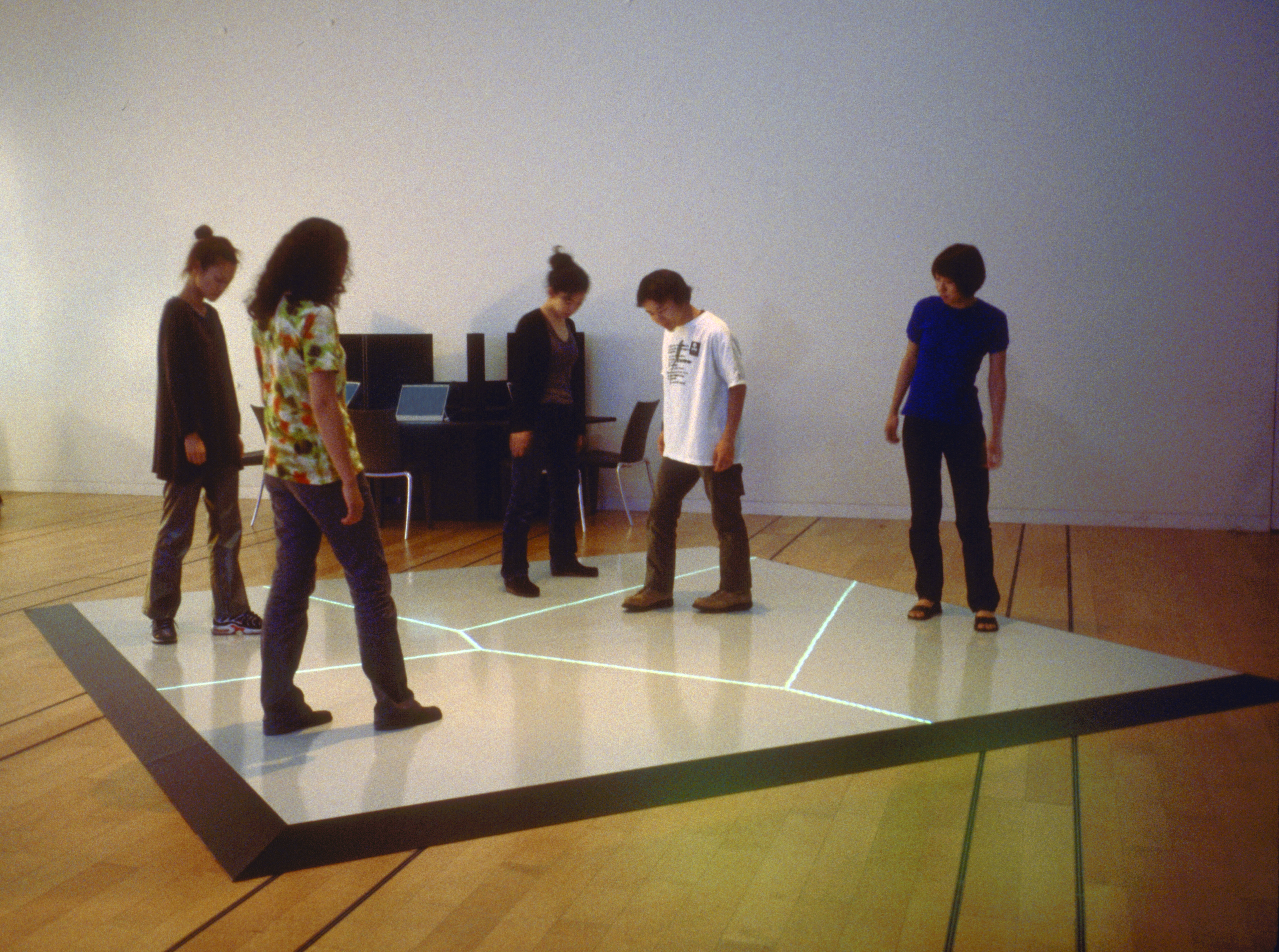
Digital art can take many forms, from digital painting and sculpture to installation and performance art. Artists use a variety of software and hardware tools to create their work, including Adobe Photoshop and Blender. Digital art can also be interactive, with artists using sensors, cameras, and other technologies to create immersive and engaging experiences. For example, the Random International studio has created interactive installations that use sensors and cameras to respond to viewer movement. The Processing programming language has also been widely used by digital artists to create interactive and dynamic artworks.
⚙️ How It Works
The Rhizome organization is a leading advocate for digital art, with a collection of over 2,000 artworks. The Eyebeam organization is another important player, providing artists with resources and support to create innovative digital artworks. The MIT Press has published several books on digital art. The Google Arts & Culture platform has partnered with museums and cultural institutions to create digital exhibitions and experiences. The Tate Modern museum has also exhibited digital art.
📊 Key Facts & Numbers
The current state of digital art is one of rapid evolution and innovation. New technologies such as virtual reality (VR) and augmented reality (AR) are enabling artists to create immersive and interactive experiences. The Oculus VR headset has been used by artists to create VR experiences, while the Magic Leap headset has been used to create AR experiences. The Unity game engine has also been used by artists to create interactive and dynamic artworks. The Unreal Engine has also been used by artists to create high-quality, interactive experiences.
👥 Key People & Organizations
There are controversies and debates surrounding digital art, with some critics questioning the value and authenticity of digital artworks. The carbon footprint of digital art is also a concern, with some artists and organizations working to reduce their environmental impact. The Sustainable Art movement is also gaining traction, with artists and organizations working to create more sustainable and environmentally-friendly art practices.
🌍 Cultural Impact & Influence
The future of digital art is likely to be shaped by emerging technologies such as artificial intelligence (AI) and blockchain. The AI Art movement is already gaining traction, with artists using AI algorithms to create new forms of art. The Blockchain Art movement is also emerging, with artists using blockchain technology to create secure and transparent digital artworks. The NFT market is also growing, with artists and collectors buying and selling unique digital artworks. The Rarible platform has also been used by artists to create and sell NFTs.
⚡ Current State & Latest Developments
Digital art has many practical applications, from advertising and marketing to education and entertainment. The Adobe Creative Cloud has been used by artists and designers to create digital artworks, while the Autodesk software has been used by architects and engineers to create digital models and simulations. The University of California, Los Angeles (UCLA) has also offered courses on digital art, while the School of Visual Arts (SVA) has also offered courses on digital art and design.
🤔 Controversies & Debates
Digital art is related to a wide range of topics, from computer science and engineering to art history and criticism. The MIT Press has published several books on digital art. The Tate Modern museum has also exhibited digital art. The Google Arts & Culture platform has also partnered with museums and cultural institutions to create digital exhibitions and experiences.
Key Facts
- Origin
- Global
- Category
- nft-art
- Type
- concept