
Contents
- 🎨 Introduction to Digital Ownership
- 📊 The Technology Behind Digital Ownership
- 📈 The Rise of NFT Marketplaces
- 👥 Key Players in Digital Ownership
- 🌐 Cultural Impact of Digital Ownership
- ⚡ Current State and Future Developments
- 🤔 Controversies and Debates
- 🔮 Future Outlook and Predictions
- 💡 Practical Applications of Digital Ownership
- 📚 Related Topics and Deeper Reading
- Frequently Asked Questions
- References
- Related Topics
Overview
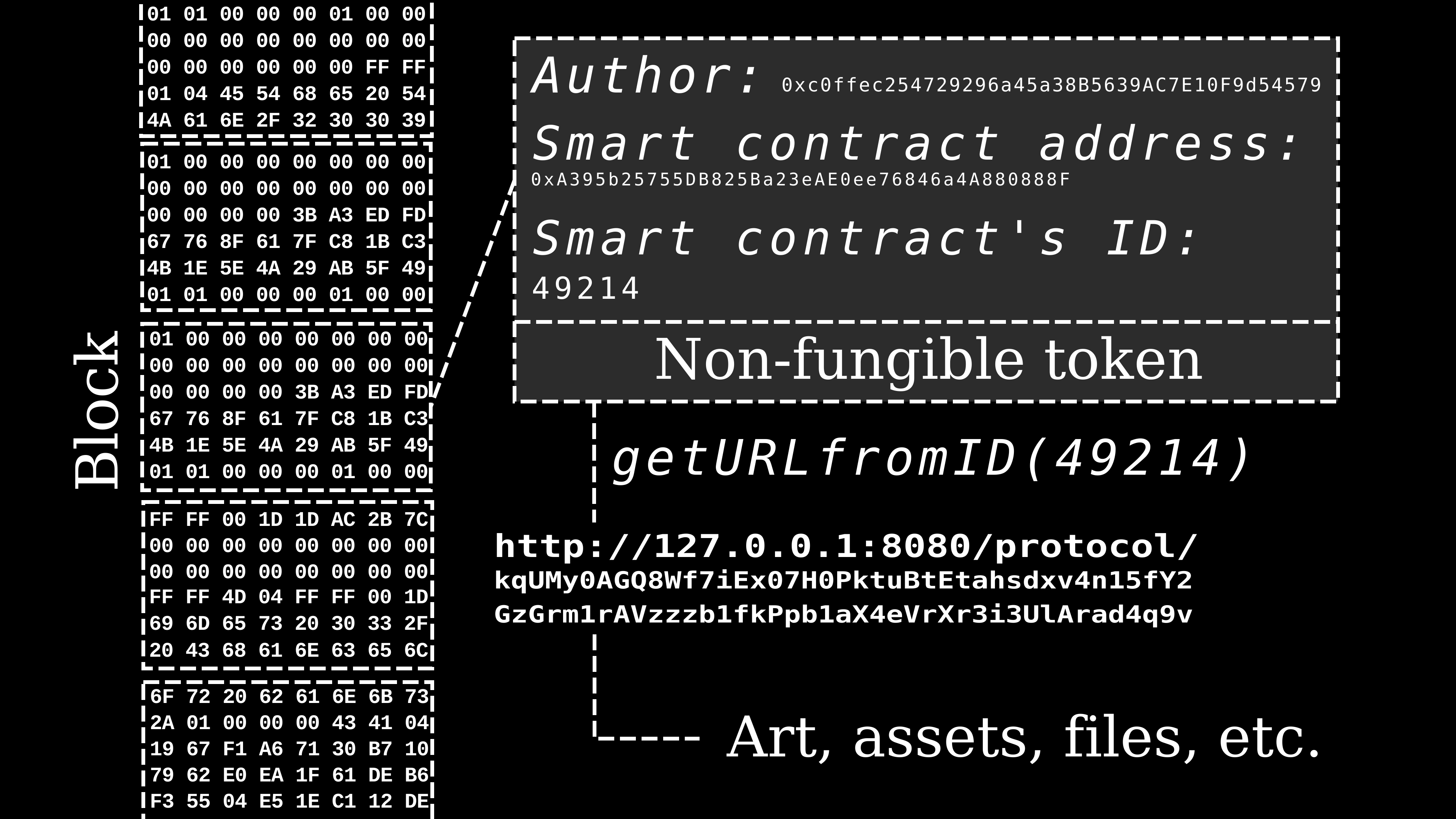
Digital ownership in the context of NFTs refers to the ability to uniquely identify, certify, and transfer ownership of digital assets, such as artworks, collectibles, and in-game items, using blockchain technology. This concept has revolutionized the way we think about ownership and value in the digital realm, enabling creators to monetize their digital content and collectors to own unique, verifiable assets. With the rise of NFT marketplaces, digital ownership has become a key aspect of the NFT ecosystem, allowing for the creation, trading, and ownership of digital assets with real-world value. The use of blockchain technology, such as Ethereum, has enabled the creation of secure and transparent digital ownership systems, ensuring that ownership and authenticity can be verified and trusted. Digital ownership has enabled new forms of creativity, innovation, and entrepreneurship in the digital realm, and has raised important questions about the nature of ownership, value, and authenticity in the digital age.
🎨 Introduction to Digital Ownership
Introduction to Digital Ownership — Digital ownership in the context of NFTs is a revolutionary concept that has enabled creators to monetize their digital content and collectors to own unique, verifiable assets. This concept has been made possible by the use of blockchain technology, which allows for the creation of a permanent, public record of ownership and authenticity. For example, the NFT artist interviews on NFT Vibepedia provide valuable insights into the creative process and the role of digital ownership in the NFT ecosystem.
📊 The Technology Behind Digital Ownership
The Technology Behind Digital Ownership — The technology behind digital ownership is based on blockchain, a decentralized, distributed ledger that records transactions and data across a network of computers. This technology enables the creation of unique digital identifiers, such as NFTs, which can be used to certify ownership and authenticity of digital assets. Companies like ConsenSys are working on developing new blockchain-based technologies to support the growth of the NFT market.
📈 The Rise of NFT Marketplaces
The Rise of NFT Marketplaces — The rise of NFT marketplaces has made it possible for creators to mint, sell, and trade NFTs, and for collectors to buy, own, and display unique digital assets. These marketplaces have played a key role in popularizing digital ownership and enabling the growth of the NFT ecosystem.
👥 Key Players in Digital Ownership
Key Players in Digital Ownership — Key players in digital ownership include creators, collectors, marketplaces, and platforms that support the creation, trading, and ownership of digital assets. Companies like Digital Asset Management and NFT Consulting are providing services to support the growth of the NFT market. Additionally, NFT community spotlight initiatives are highlighting the work of emerging artists and collectors in the NFT ecosystem.
🌐 Cultural Impact of Digital Ownership
Cultural Impact of Digital Ownership — The cultural impact of digital ownership has been significant, enabling new forms of creativity, innovation, and entrepreneurship in the digital realm. Digital ownership has also raised important questions about the nature of ownership, value, and authenticity in the digital age. For example, the NFT art marketplace has enabled artists to create and sell unique digital artworks, which has democratized access to the art market and enabled new forms of artistic expression.
⚡ Current State and Future Developments
Current State and Future Developments — The current state of digital ownership is characterized by rapid growth and innovation, with new marketplaces, platforms, and technologies emerging to support the creation, trading, and ownership of digital assets. As the NFT market continues to evolve, digital ownership is likely to play an increasingly important role in shaping the future of digital commerce and creativity.
🤔 Controversies and Debates
Controversies and Debates — Controversies and debates surrounding digital ownership include issues related to ownership, authenticity, and value, as well as concerns about the environmental impact of blockchain technology and the potential for market manipulation. For example, the NFT environmental impact has been a topic of debate, with some arguing that the energy consumption required to support blockchain technology is unsustainable. Additionally, the NFT market manipulation has been a concern, with some arguing that the market is vulnerable to manipulation by large investors and market makers.
🔮 Future Outlook and Predictions
Future Outlook and Predictions — The future outlook for digital ownership is promising, with many experts predicting that it will play an increasingly important role in shaping the future of digital commerce and creativity. As the NFT market continues to evolve, we can expect to see new innovations, technologies, and business models emerge to support the growth of digital ownership.
💡 Practical Applications of Digital Ownership
Practical Applications of Digital Ownership — Practical applications of digital ownership include the creation, trading, and ownership of unique digital assets, such as artworks, collectibles, and in-game items. Digital ownership has also enabled new forms of creativity, innovation, and entrepreneurship in the digital realm. For example, the NFT gaming industry has enabled the creation of unique digital assets, such as in-game items and characters, which can be owned and traded by players.
Key Facts
- Year
- 2021
- Origin
- Global
- Category
- nft-technology
- Type
- concept
Frequently Asked Questions
What is digital ownership in the context of NFTs?
Digital ownership in the context of NFTs refers to the ability to uniquely identify, certify, and transfer ownership of digital assets, such as artworks, collectibles, and in-game items, using blockchain technology.
How does blockchain technology support digital ownership?
Blockchain technology enables the creation of a permanent, public record of ownership and authenticity, allowing for the creation of unique digital identifiers, such as NFTs.
What are the cultural implications of digital ownership?
Digital ownership has raised important questions about the nature of ownership, value, and authenticity in the digital age, and has enabled new forms of creativity, innovation, and entrepreneurship in the digital realm.
What are the potential risks and challenges associated with digital ownership?
Potential risks and challenges associated with digital ownership include issues related to ownership, authenticity, and value, as well as concerns about the environmental impact of blockchain technology and the potential for market manipulation.
How can I get started with digital ownership?
To get started with digital ownership, you can explore NFT marketplaces and learn more about the technology and concepts behind digital ownership.
What is the future outlook for digital ownership?
The future outlook for digital ownership is promising, with many experts predicting that it will play an increasingly important role in shaping the future of digital commerce and creativity.