
Contents
- 🎵 Origins & History
- ⚙️ How It Works
- 📊 Key Facts & Numbers
- 👥 Key People & Organizations
- 🌍 Cultural Impact & Influence
- ⚡ Current State & Latest Developments
- 🤔 Controversies & Debates
- 🔮 Future Outlook & Predictions
- 💡 Practical Applications
- 📚 Related Topics & Deeper Reading
- Frequently Asked Questions
- References
- Related Topics
Overview
NFT investing strategies encompass a range of approaches to buying, holding, and trading non-fungible tokens (NFTs). The space remains volatile. Key strategies include market analysis, portfolio diversification, and understanding the underlying technology. This entry explores the evolution of NFT investing, its mechanics, and the controversies shaping its future.
🎵 Origins & History
The origins of NFT investing are complex and multifaceted. NFTs are unique digital assets. The value of an NFT depends on factors like scarcity, utility, and community demand. However, the lack of intrinsic value and regulatory oversight makes NFTs inherently risky.
⚙️ How It Works
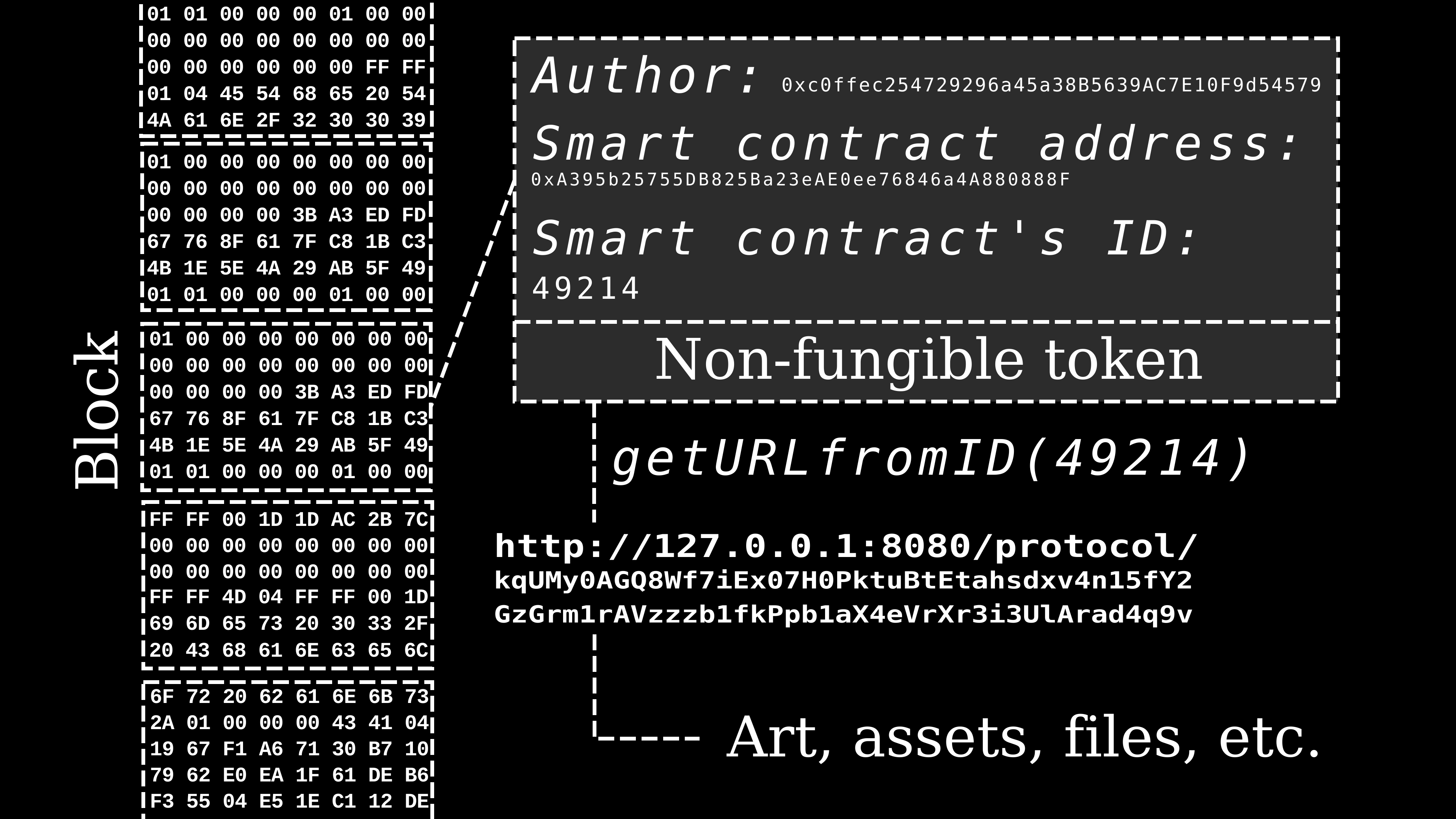
NFT investing hinges on blockchain technology. Investors use platforms to buy/sell NFTs, often leveraging DeFi protocols for fractional ownership or staking rewards. For example, the NBA Top Shot platform allows fans to purchase highlight reels as NFTs, creating a new revenue stream for sports leagues.
📊 Key Facts & Numbers
The NFT market is driven by high-profile sales and institutional interest. However, market volatility has led to accusations of speculative dynamics. The sector’s future depends on resolving regulatory challenges and fostering genuine utility for NFTs beyond speculative trading.
👥 Key People & Organizations
Key figures in NFT investing include artists and platforms that dominate the space. Institutional investors have entered the NFT arena, signaling mainstream acceptance. However, the sector remains fragmented, with many projects competing for attention.
🌍 Cultural Impact & Influence
NFTs have permeated mainstream culture, influencing art, music, and fashion. Brands have launched NFT collections, blending virtual and real-world commerce. The Metaverse further amplifies NFT impact, with virtual land sales reaching significant values. This cultural shift has sparked debates about ownership and intellectual property in the digital age.
⚡ Current State & Latest Developments
The NFT market is recovering, with the integration of DeFi protocols introducing new investment vehicles. Sustainability efforts are addressing environmental concerns. Regulatory scrutiny intensifies, with the need for clear regulations and guidelines.
🤔 Controversies & Debates
Controversies surrounding NFT investing include environmental impact, market speculation, and regulatory uncertainty. Critics argue that the energy consumption of blockchains contributes to carbon emissions. Market volatility has led to accusations of speculative dynamics. Additionally, regulatory ambiguity has created legal risks.
🔮 Future Outlook & Predictions
Experts predict the NFT market will evolve, with DeFi integration and Web3 adoption driving growth. Sustainability initiatives could reduce energy consumption. However, the sector’s future depends on resolving regulatory challenges and fostering genuine utility for NFTs beyond speculative trading.
💡 Practical Applications
NFTs are applied in art, gaming, and real estate. In art, platforms enable artists to monetize digital creations. In gaming, titles allow players to trade in-game assets as NFTs. Real estate innovations demonstrate NFTs’ potential beyond digital art. These applications highlight NFTs’ versatility but also underscore the need for clear value propositions to sustain long-term adoption.
Key Facts
- Year
- 2024
- Category
- nft-market
- Type
- concept
Frequently Asked Questions
What are the best NFT investing strategies in 2024?
Top strategies include diversifying across sectors, focusing on utility-driven NFTs, and leveraging DeFi protocols. Prioritize projects with real-world applications and assess long-term value.
How do I evaluate the value of an NFT?
Value depends on factors like scarcity, community demand, and utility. Analyze sales history, check for provenance, and assess the project’s roadmap. Avoid overvalued assets with no clear use case.
What are the risks of NFT investing?
Risks include market volatility, regulatory uncertainty, and environmental concerns. The lack of intrinsic value and regulatory oversight makes NFTs inherently risky.
How has the NFT market evolved?
The NFT market is recovering, with the integration of DeFi protocols introducing new investment vehicles. Sustainability efforts are addressing environmental concerns. Regulatory scrutiny intensifies, with the need for clear regulations and guidelines.